
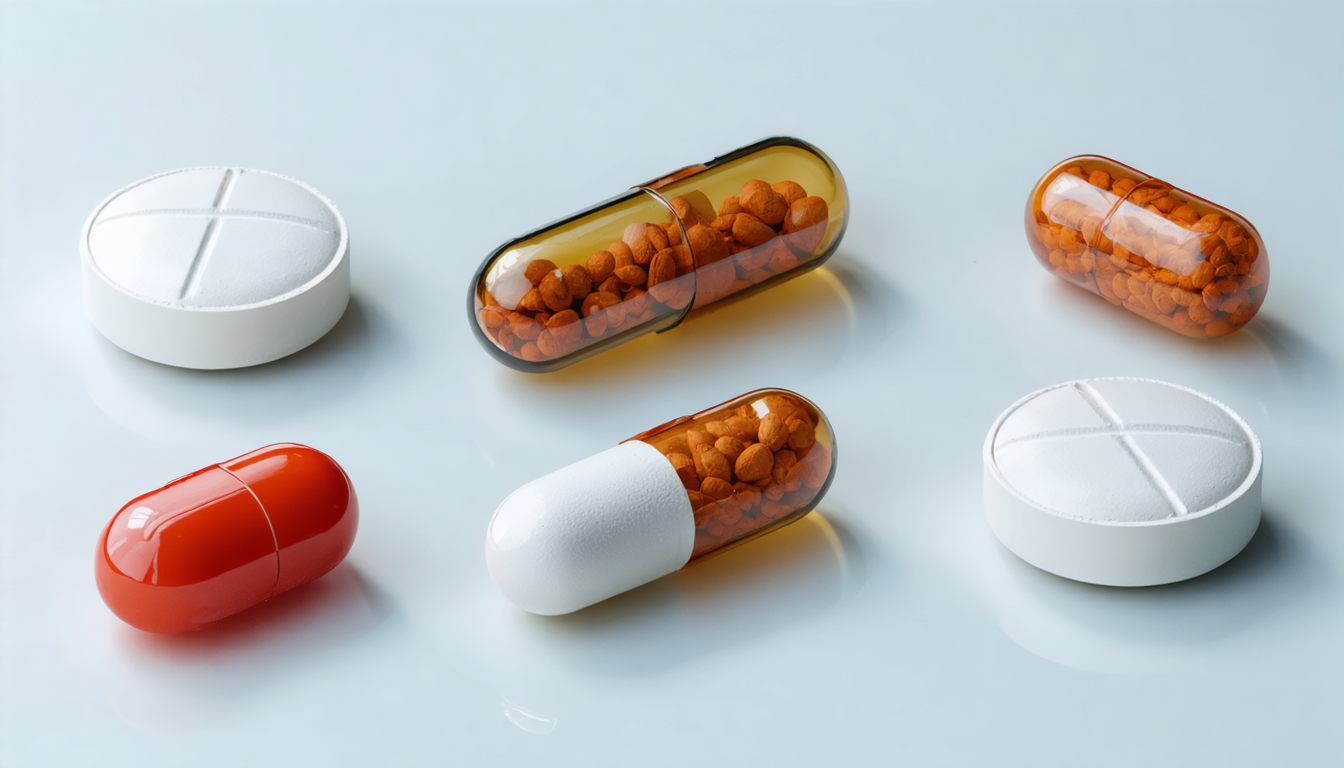
Best pills for erection
Disclaimer: This article is for educational purposes only and does not replace consultation with a qualified healthcare professional. If you experience erection problems, consult a doctor for personalized evaluation and treatment.
Erectile dysfunction (ED) is a common condition affecting men of different ages. Modern medicine offers several effective oral medications—often referred to as the best pills for erection—that improve blood flow to the penis and support a firm erection during sexual stimulation. Understanding how these medications work, who they are suitable for, and their limitations is essential for safe and effective use.
Basics: what it is
Erectile dysfunction is the persistent inability to achieve or maintain an erection sufficient for satisfactory sexual performance. It is not unusual to occasionally have difficulty with erections. However, when the problem becomes frequent or ongoing, it may indicate ED.
The most commonly prescribed erection pills belong to a class called PDE5 inhibitors. These include:
- Sildenafil
- Tadalafil
- Vardenafil
- Avanafil
They work by enhancing the effect of nitric oxide, a natural chemical the body produces to relax penile muscles and increase blood flow during sexual arousal.
How PDE5 inhibitors work (for advanced readers)
PDE5 inhibitors block the phosphodiesterase type 5 enzyme, which breaks down cyclic guanosine monophosphate (cGMP). By preserving cGMP levels, smooth muscle relaxation in the corpus cavernosum is prolonged, improving penile blood inflow during stimulation.
Symptoms and signs
Common signs that may indicate the need to discuss erection pills with a doctor include:
- Difficulty achieving an erection – even with adequate sexual stimulation.
- Difficulty maintaining an erection – losing firmness before intercourse is completed.
- Reduced sexual confidence – anxiety related to performance.
- Decreased rigidity – erection is present but not firm enough.
Psychological vs. physical causes
ED may be psychogenic (stress, anxiety, depression, relationship issues) or organic (vascular disease, diabetes, hormonal imbalance, neurological disorders). Many cases are mixed, requiring combined approaches.
Similar conditions: how to differentiate
| Condition | Main Feature | Key Difference from ED |
|---|---|---|
| Low libido | Reduced sexual desire | Desire is low, not necessarily erection quality |
| Premature ejaculation | Early climax | Erection is usually sufficient |
| Peyronie’s disease | Penile curvature | Structural deformity present |
| Performance anxiety | Situational erection issues | Normal spontaneous/morning erections |
Morning erections as a diagnostic clue
Regular nocturnal or morning erections often suggest intact vascular and nerve function, pointing toward psychological factors rather than structural vascular disease.
Diagnosis
Before prescribing the best pills for erection, healthcare providers typically evaluate:
- Medical history (heart disease, diabetes, hypertension)
- Medication use (especially nitrates)
- Lifestyle factors (smoking, alcohol, obesity)
- Hormone levels (testosterone if indicated)
- Cardiovascular risk profile
ED can be an early warning sign of cardiovascular disease. Therefore, proper medical assessment is important.
Why cardiovascular screening matters
The penile arteries are smaller than coronary arteries. Atherosclerosis may affect erectile function earlier than heart symptoms appear, making ED a potential early marker of vascular disease.
What usually helps
The best pills for erection are typically selected based on duration of action, onset time, side effect profile, and patient preference.
1. PDE5 inhibitors (first-line therapy)
- Effective for many men
- Require sexual stimulation
- Different duration profiles (short-acting vs. longer-acting options)
Duration differences explained
Some medications act for several hours, while others may remain effective for up to 36 hours. This does not mean constant erection, but a window during which erection is easier with stimulation.
2. Lifestyle modifications
- Weight management
- Regular exercise
- Smoking cessation
- Limiting alcohol intake
3. Psychological counseling
Particularly helpful if stress, anxiety, or relationship factors contribute.
4. Alternative medical options
If oral medications are not effective or contraindicated, other therapies may be considered under specialist care.
When pills may not be appropriate
PDE5 inhibitors should not be used with nitrate medications due to the risk of severe hypotension. Caution is also required in certain cardiac conditions.
For more educational materials, see our Руководство section. Updates in sexual health research are regularly covered in Новости проектов and Новость. You may also find related discussions in Без рубрики.
FAQ
1. Are erection pills safe?
They are generally safe when prescribed appropriately, but may cause side effects such as headache, flushing, nasal congestion, or indigestion.
2. Do these pills increase sexual desire?
No. They improve blood flow but do not directly increase libido.
3. Can younger men use them?
If medically indicated and prescribed by a doctor, yes. Age alone is not the deciding factor.
4. How quickly do they work?
Onset time varies by medication. Some work within 15–60 minutes.
5. Can they be taken daily?
Some formulations are designed for daily use under medical supervision.
6. What if pills do not work?
Underlying conditions may need treatment, or alternative therapies may be considered.
7. Are there natural alternatives?
Evidence for supplements is limited and inconsistent. Always discuss supplements with a doctor.
8. Is ED permanent?
Not necessarily. Many cases improve with lifestyle changes, psychological support, or medical therapy.
Sources
- American Urological Association (AUA) – Erectile Dysfunction Guidelines
- European Association of Urology (EAU) – Sexual and Reproductive Health Guidelines
- National Institute of Diabetes and Digestive and Kidney Diseases (NIDDK)
- Mayo Clinic – Erectile Dysfunction Overview
- National Institutes of Health (NIH)